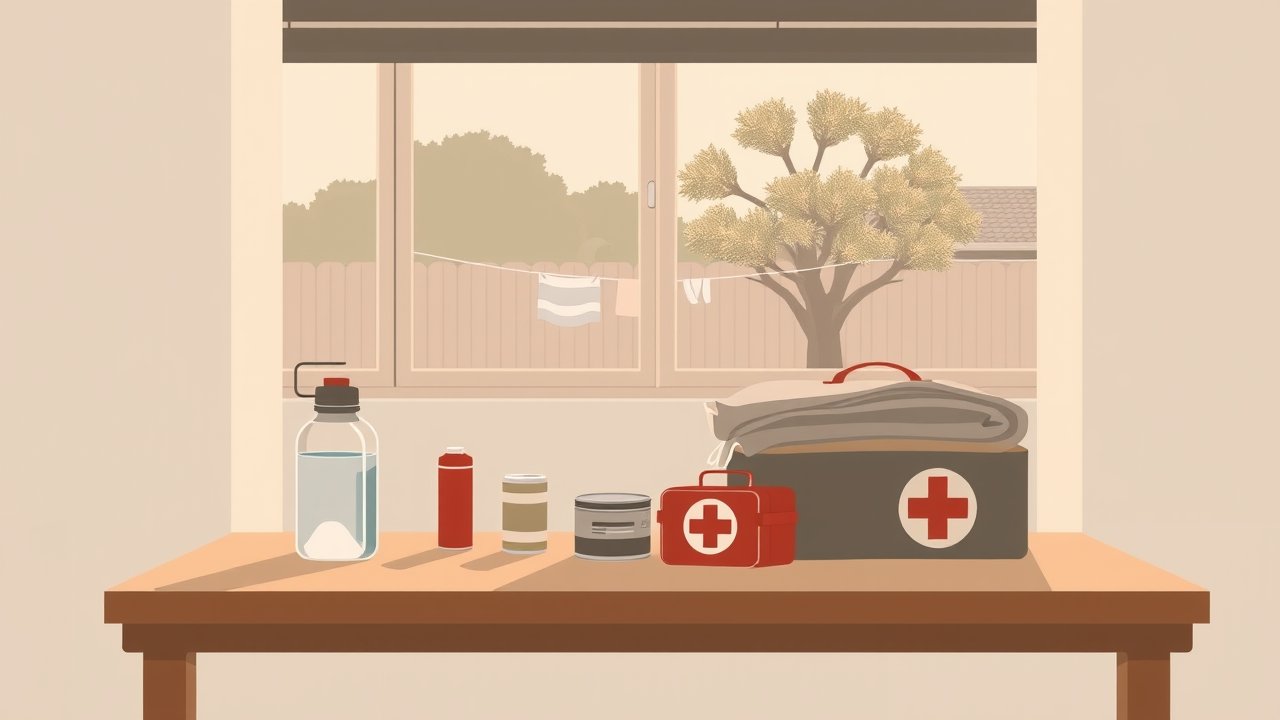
Australia's federal government has made no new call for households to stockpile emergency supplies, though a Telegram post on Thursday said Australia had joined six other countries in doing so. The appeal in this week's news came from the Australian Red Cross, a charity, whose recovery director said Australians should "absolutely" be preparing for emergencies but added: "We are absolutely not encouraging Australians to run out and start stockpiling food. No panic buying, please." She advised a "long-term view." Australian states already ask households to keep emergency kits: Queensland relaunched its yearly campaign on October 6, asking people to "prepare an emergency kit for at least three days of isolation," the same three days Britain asks for. The six other governments the post names do advise keeping food and water, but much of that advice is years old, the amounts range from three days to ten, and the reasons range from war to earthquakes.
What was said in Australia
The post, from the channel "The General" (@GeneralMCNews), went up at 11:35 a.m. Pacific time on Thursday: "BREAKING: Australia joins a growing list of countries, including the UK, France, Germany, Sweden, Norway and Japan, urging citizens to stockpile emergency supplies as governments prepare for potential crises and major disruptions." It cites no source. The earliest Australian report found is a Yahoo News Australia article from about 17 hours earlier, which named the same countries except France. Its sources were Nichola Krey, the Red Cross's director for recovery and resilience, who said Australia faces more natural hazards than Britain, though no immediate threat of war, and suggested stocking up gradually; and Lucy Lunevich, a disaster-management expert at RMIT University, who said Australians should keep at least a month's supply of food. The Red Cross describes itself as "an auxiliary to government and public authorities in the humanitarian field"; it is a registered charity, not a government agency.
Government advice in Australia comes mostly from the states and is framed around the weather. Queensland's announcement, from Disaster Recovery Minister Ann Leahy's office, said the government was "urging Queenslanders now more than ever, to know their risk, make a plan and pack a kit before disaster strikes." New South Wales tells households their kit "should include supplies for several days." Western Australia's emergency department urged northern residents on October 23 to prepare a kit in case they must evacuate or are cut off. The federal emergency agency's website tells households to "pack an emergency kit" with food, water and medicines. Two University of Wollongong academics wrote in The Conversation this week: "Governments have long encouraged residents to retain enough supplies to survive a significant disruption. Australia, of course, is no different."
This check covered the federal agency, ministerial and agency releases from Queensland, New South Wales, Western Australia and Victoria, and Australian news through Thursday afternoon. It found no new national advice, and state campaigns that recur before each storm and bushfire season. It did not cover state agencies' social media, and South Australia, Tasmania and the territories were not checked.
What the six named governments advise
Britain. The Cabinet Office's "Be Ready" campaign, launched October 22, asks households to be ready for three days, with "3 litres per person per day for drinking." Its announcement cites last winter's storms and this summer's wildfires; the campaign site also covers cyber incidents and terrorism, and Defence Secretary Wes Streeting said Britain must prepare for what he called "state-sponsored terrorism."
France. A government guide published in November 2025 asks for an emergency kit "giving everyone 72 hours of self-sufficiency," and the government's page presenting it lists "storms, floods, cyberattacks, health crises and armed conflicts" among the threats.
Germany. The federal civil-protection office says people should be able to supply themselves for ten days if possible, but "even a supply for at least three days helps a great deal." Introducing its guide, reissued in October 2025, it writes that "even a war no longer seems as ruled out as it did a few years ago." Its 2013 guide asked for 14 days, citing floods, power cuts and storms.
Sweden. The civil-defence agency, formerly MSB, says households should manage "without society's help for at least a week," a recommendation the government adopted in 2020. Its brochure "If Crisis or War Comes" went to every household in autumn 2024, after mailings in 1943, 1952, 1961 and 2018, because "an armed attack against Sweden cannot be ruled out," the agency says.
Norway. The Directorate for Civil Protection said in 2024 that "all households should be prepared for one week" without power, phone networks and internet, up from at least three days, and mailed a brochure to every household.
Japan. Goshi Hosono, the minister preparing Japan's new Disaster Management Agency, plans an "emergency request" when it opens on November 2, asking people to keep "at least three days, and if possible a week" of food, toilet supplies and water, with disasters on the scale of a Nankai Trough earthquake in mind. Japan's national disaster plan already sets that standard. The request has not yet been issued.
Quotations from the French, German, Swedish, Norwegian and Japanese sources are our translations.
A new trend, or old advice?
The post's framing has real support. Sweden resumed household mailings in 2018 after 57 years without one and mailed again in 2024; Norway lengthened its target in 2024; Germany and France issued guides naming war in 2025; the European Commission's March 2025 Preparedness Union Strategy set out to encourage people to keep "essential supplies for a minimum of 72 hours"; and Britain and Japan are launching new appeals. The opposite reading also has support: Sweden's brochures date to 1943, Germany asked for more days in 2013 than now, Japan's standard is already in its national plan, Britain says "much of the advice has not changed" since 2024, and Queensland calls its campaign annual. Both are partly right. The reasons differ: Sweden, Germany and France cite war; Britain's announcement cites weather while its defence secretary cites hostile states; Japan and the Australian states cite natural disasters.
Claim by claim
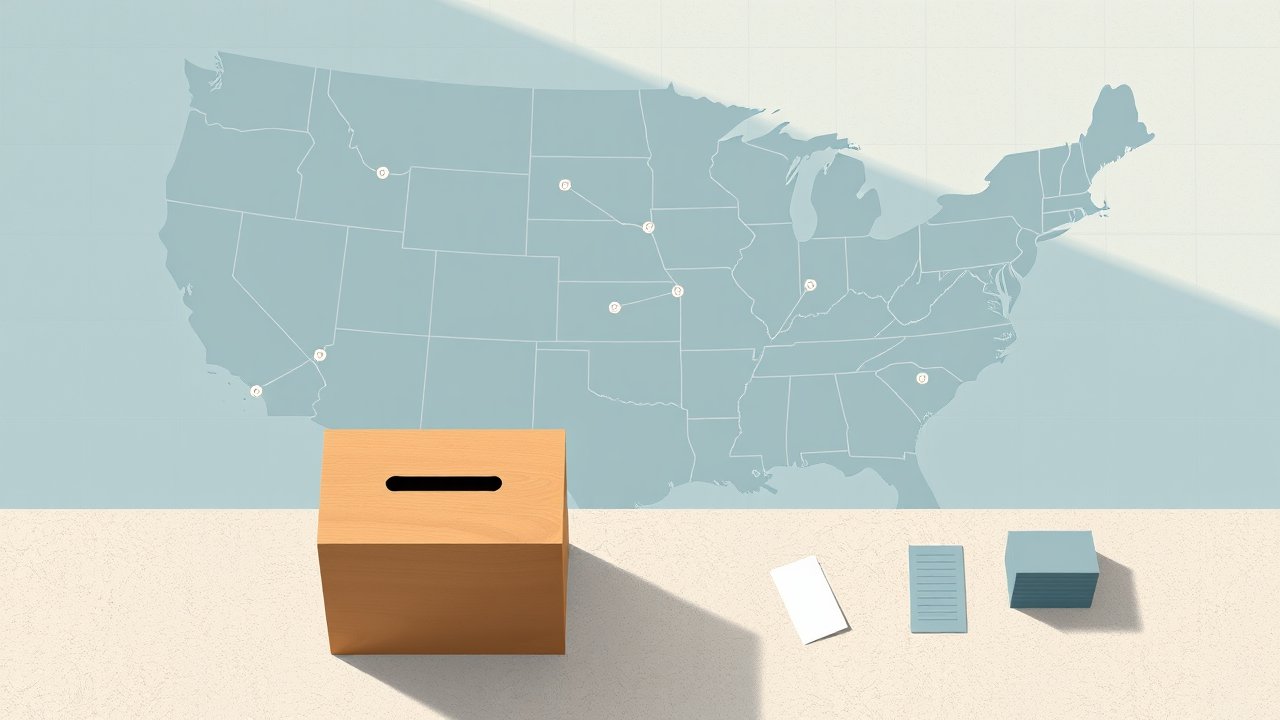
- Australia "joins" the list: partly supported. Australian states already advise emergency kits for natural disasters, Queensland's for at least three days, and Queensland relaunched its campaign on October 6; Newsweek's map this week of nations "urging people to stockpile food" lists Australia. Not supported: any new national appeal. The appeal in the news came from the Red Cross, which urged preparation and gradual stocking up but warned against panic buying.
- The six countries: accurate; each advises keeping supplies, though Japan's appeal has not yet been issued.
- "Growing list" and the stated reason: partly accurate, as above.
- "Stockpile": stronger than most official wording, but not the post's invention. The Guardian's headline on Britain's advice was "Every Briton should stockpile water and food supplies, government advises," and TV Asahi's headline on Japan's appeal uses bichiku, which English-language reports render as stockpiling. Still, Britain's security minister said, "Those who can follow this advice should follow this advice."
This article reflects reporting through the afternoon of Thursday, October 29, 2026. Sources: The General on Telegram; Yahoo News Australia, October 29; Australian Red Cross; Queensland Government, October 6; NSW Government; WA Department of Fire and Emergency Services, October 23; National Emergency Management Agency, weather season and preparation advice; The Conversation via The New Daily; UK Cabinet Office and Be Ready checklist; The Guardian, October 22; French government; Newsweek, October 28; BBK; Swedish civil-defence agency, home preparedness, basics and brochure; Norway's DSB, October 2024 release; FNN and TV Asahi via Yahoo Japan; Japan's Basic Disaster Management Plan; European Commission.