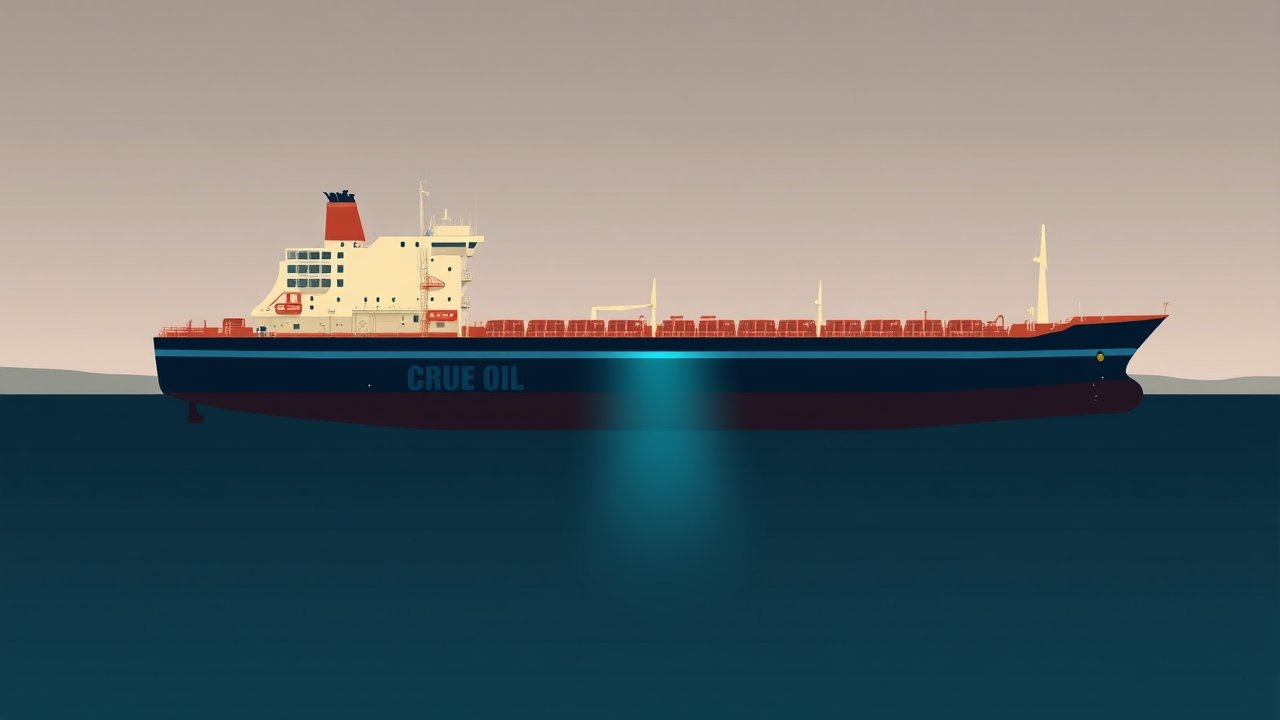
Hackers got into the propulsion system of a fully loaded oil supertanker as it approached the Texas coast this summer, FBI and U.S. Coast Guard investigators have found, according to U.S. officials who spoke to Bloomberg News. The ship, the VL Prosperity, is 333 meters long, can carry more than 2 million barrels of oil, and was bound for Galveston. The officials said the hackers gained temporary access to the ship's digital system, but that it was not yet clear how long they had access or what they could have controlled with it.
The FBI says there are no reports of anyone being hurt or of environmental damage: "Currently, there are no reports of operational disruptions, vessel instability, physical danger to crews, or environmental impacts," the FBI said. The Prosperity remains anchored off Galveston, according to shipping data compiled by Bloomberg.
What is confirmed, and what comes from Iranian media
The Coast Guard and FBI boarded two U.S.-bound tankers in the Gulf of Mexico between August 21 and 24, according to a joint statement, "to ensure integrity of the vessel's operational and information technology systems following indications that the networks of both vessels were compromised." The agencies said the captain, crew and the ship owner's staff cooperated. They have not named the second ship.
A more dramatic version of the story has circulated, saying hackers took control of the Prosperity's navigation, propulsion and cargo systems. That account traces to Iranian media, which CBS News cited as saying the ship was compromised on August 7 while sailing from Egypt to the United States, that the hackers interfered with its speed and fuel systems, and that it lost communications for more than a day. U.S. officials have confirmed that the propulsion system was accessed, and Bloomberg has reported that the ship lost communications before it was boarded, but neither the officials nor Bloomberg have said the hackers steered the ship or changed its speed. CBS reported that the U.S. is looking into whether Iran was behind the attack. Iranian-backed hackers have been blamed for a series of attacks on U.S. targets this year, including medical-device maker Stryker, the Los Angeles transit system and more than a hundred water systems.
Why it matters
Large ships now run navigation, engines and cargo handling on networked computers, and confirmed hacks of those systems are rare. "These are the largest moving objects in the world transporting the world's economy," said Alex Soukhanov, a licensed ship captain whose firm, True North Group, works on maritime cybersecurity. "We just can't have this type of unauthorized access. Every mariner should be extremely concerned." Svante Einarsson, head of cyber security at the ship technical advisory firm DNV, called the loss of functions on a large vessel carrying hazardous cargo the "worst case scenario," but added that most ships can fall back on other systems that let crews keep operating.
By September, U.S. agencies were tracking cyber threats against nearly 20 ships around the world, and the Coast Guard has asked for advance notice if any of them plan to enter a U.S. port, Bloomberg reported.
Sources: Bloomberg News, October 5, 2026; TechCrunch, September 18, 2026, citing a joint Coast Guard and FBI statement and CBS News.
