NASA’s huge Nancy Grace Roman Space Telescope is about to launch
The Nancy Grace Roman Space Telescope, which launches on 30 August, will observe space with the same detail as the Hubble Space Telescope, but over a much larger area
Research, Space & Discovery
The Nancy Grace Roman Space Telescope, which launches on 30 August, will observe space with the same detail as the Hubble Space Telescope, but over a much larger area
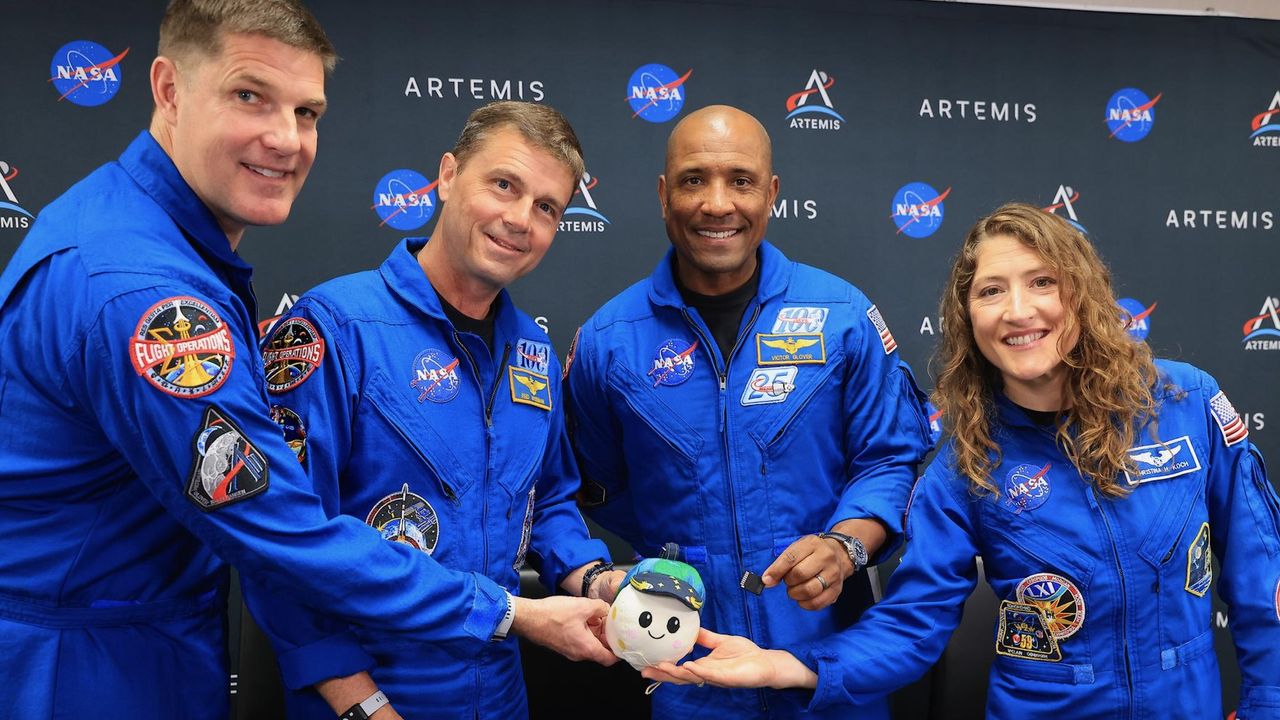
The Artemis II astronauts, who flew around the moon this past April, will receive the United States' highest space honor today (Aug. 28), and you can watch it live.
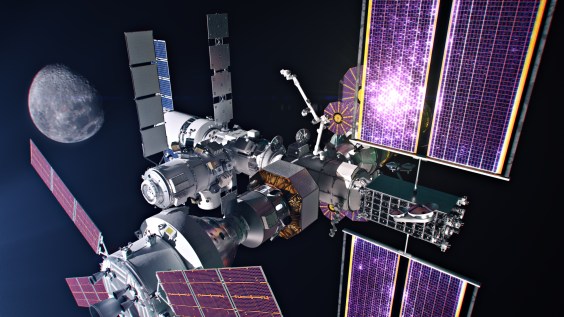
If we don’t manage air traffic well, we risk spacecraft being sent way off course—without the rocket fuel necessary to get backThe postThe First Moon Spaceport Is Coming. But First We’ll Need Moon Tra...
A small trial suggests time-restricted eating may help adults with Type 1 diabetes lower blood sugar without increasing major safety risks. For adults with Type 1 diabetes, limiting food intake to a s...
On Sunday, Aug. 30, the Nancy Grace Roman Space Telescope is expected to launch from NASA's Kennedy Space Center in Florida. The observatory will join the Hubble Space Telescope, launched in 1990, and...
Every one of 212 plant-based meat alternatives and drinks tested in the UK contained at least one naturally occurring fungal toxin, though concentrations remained below recommended EU guideline levels...
A newfound star called S301 is both the fastest ever seen and the closest to a supermassive black hole –and it could make bafflingly difficult tests of gravity possible at last
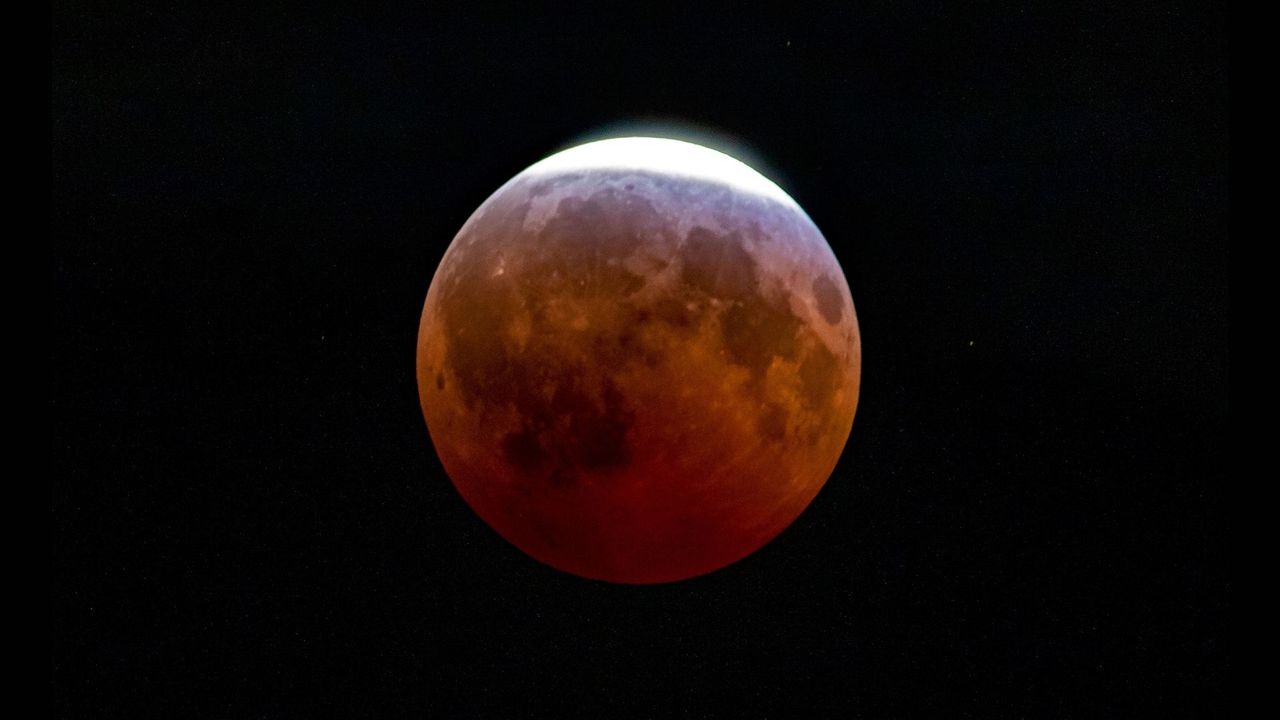
See the best photos of the August 2026 partial lunar eclipse
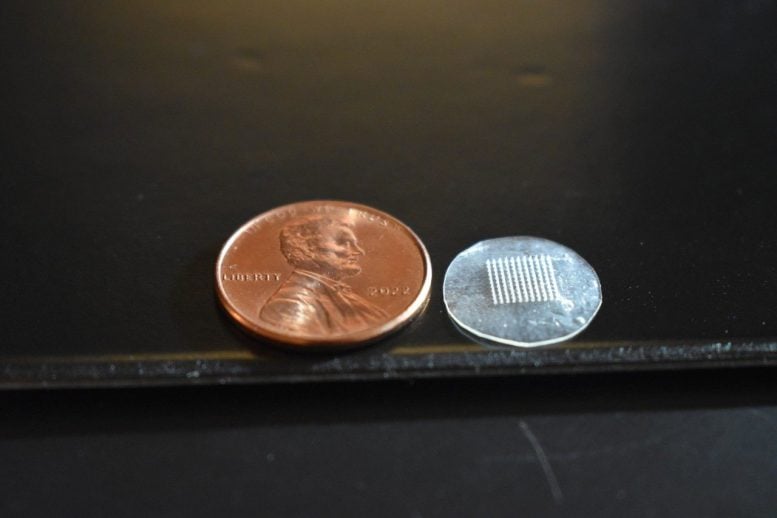
A wearable patch that can detect fentanyl and automatically release naloxone may offer a new way to prevent unwitnessed opioid overdose deaths. A device smaller than a penny is designed to recognize d...
Many of Antarctica's smallest inhabitants have evolved over millions of years so that their body fluids are similar in chemical composition to those of seawater. However, a combination of melting glac...
The total solar eclipse on 2 August 2027 is due to be the longest one until the year 2114, and researchers, eclipse chasers and tourists alike are on the edge of their seats
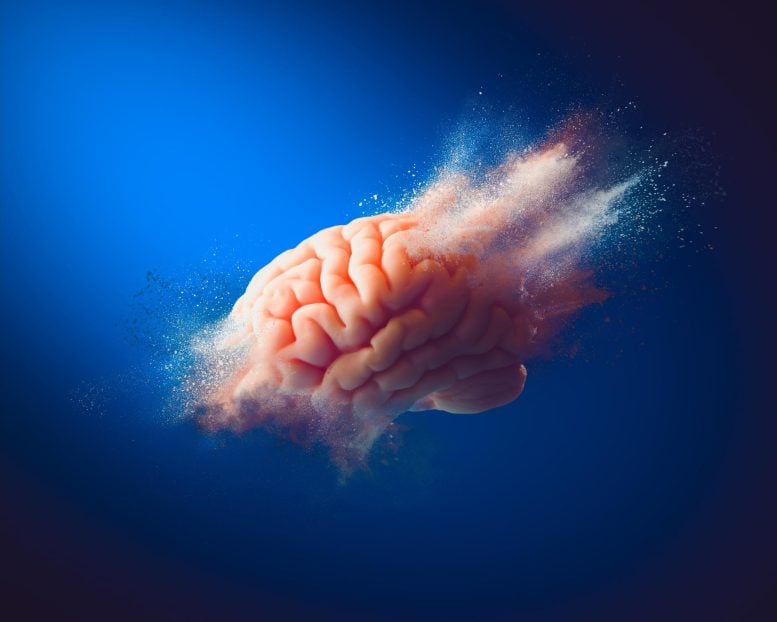
A new study suggests that brain imaging could detect Alzheimer’s disease more than seven years earlier than previously thought. Long before amyloid plaques become visible on standard brain scans, stru...
When GCH assistant professor Rochelle Davidson Mhonde began working with adolescent survivors of sexual violence, she saw the ripple effects of their trauma: depression, anxiety, substance use and oth...
Australia said Friday it would evacuate workers from a research station on a remote island over the "psychosocial" risk posed by a potential outbreak of the highly contagious H5N1 avian influenza.
Echidnas are a difficult animal to breed in captivity, but scientists in Sydney have now managed it, which could improve our understanding of the evolution of pregnancy in mammals
H5N1 bird flu has been detected in a dead dolphin in South Australia, state officials said Friday, the first case of its kind in the country.
As rescue teams searched for missing people following catastrophic flooding along the Nepal-China border, Earth scientists reviewed satellite imagery for clues to the cause and assessed the devastatio...
What even is time? Columnist Karmela Padavic-Callaghan takes on this mind-bending question by exploring the proof we have that time dilation is both a physical phenomenon and a psychological one
The opening chapter to the New Scientist Book Club's read for September sees Chanda Prescod-Weinstein explore what we gain when we look at the universe from the margins
Chanda Prescod-Weinstein, New Scientist columnist and author of the September read for the New Scientist Book Club, The Edge of Space-Time, on why the big questions in physics matter so much