Long COVID Leaves a Three-Year Signature in Saliva—and May Help Predict Lung Damage

Research, Space & Discovery
Long COVID Leaves a Three-Year Signature in Saliva—and May Help Predict Lung Damage
A simple walk together could help couples communicate better, feel closer, and handle disagreements more effectively. New research from Brigham Young University found that young married couples who we...
Astronomers have proposed a new explanation for the mysterious Cygnus Bubble, a vast cloud of ultra-high-energy gamma rays stretching thousands of light-years across the sky. While the bubble has gene...
Can science point the way toward designing environments to maximize mental health in such situations?The postThe Conditions on a US Aircraft Carrier Sound Concerningappeared first onNautilus.
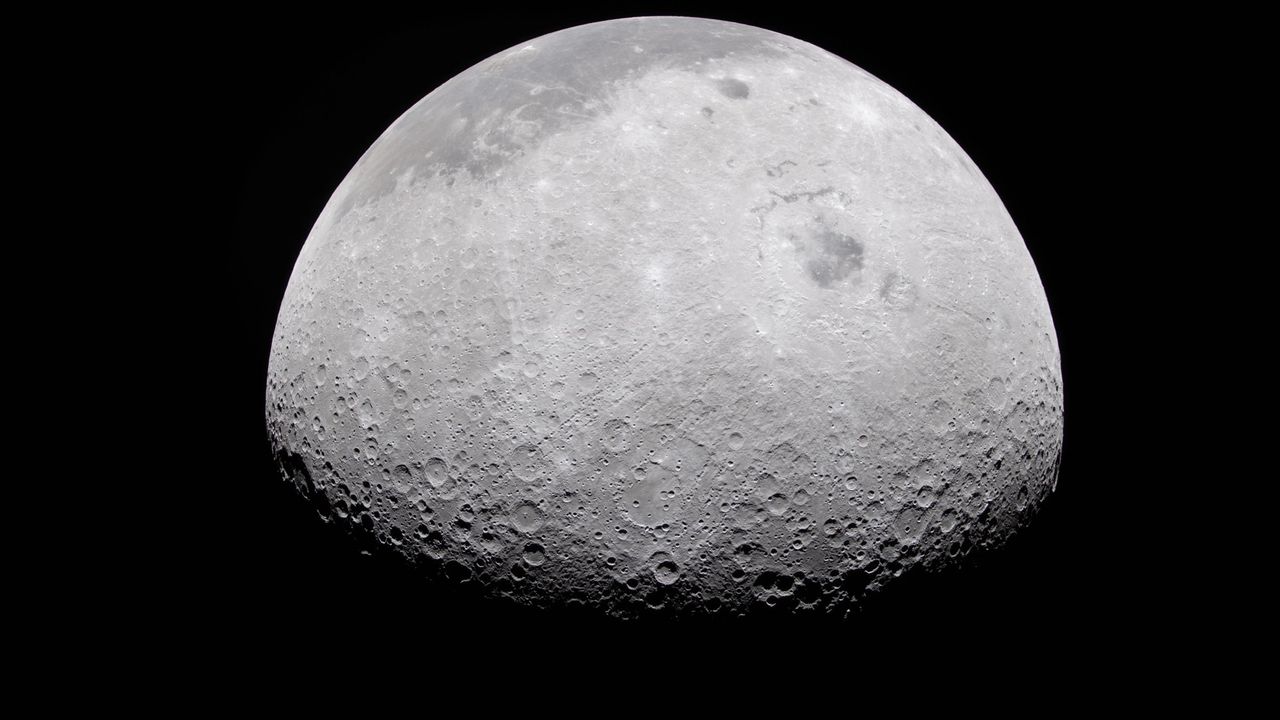
We need rules to prevent space companies from dumping their old rockets onto the moon's surface in the future, experts say.
Certain kinds of clouds are misbehaving – appearing more often and lower in the sky than they used to. To help identify the factors influencing these changes, scientists have asked people around the w...
Japanese Researchers Demand Vaccine and Mortality Data—but Offer No New Evidence of Causation
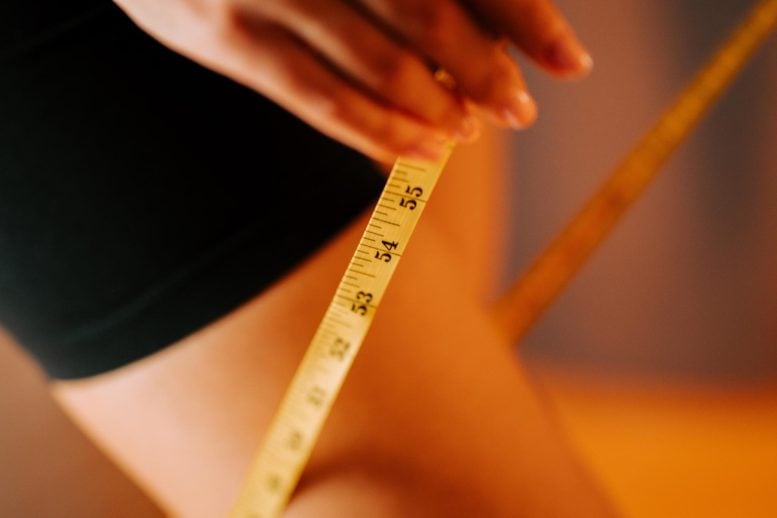
A new screening method uses an unexpected body measurement to estimate diabetes risk without a blood test. Researchers have developed a free online screening tool that considers the length of a person...
Chalk streams are among the world's rarest river habitats. Fewer than 300 exist globally, and most are found in England. They support rich wildlife and have been described as England's 'Great Barrier ...
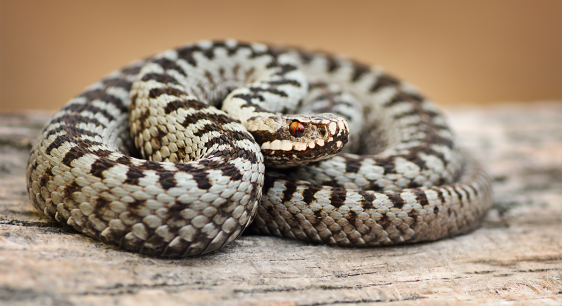
Although it serves as a defense, it’s really all about securing a mealThe postHow Vipers Got Their Venomappeared first onNautilus.
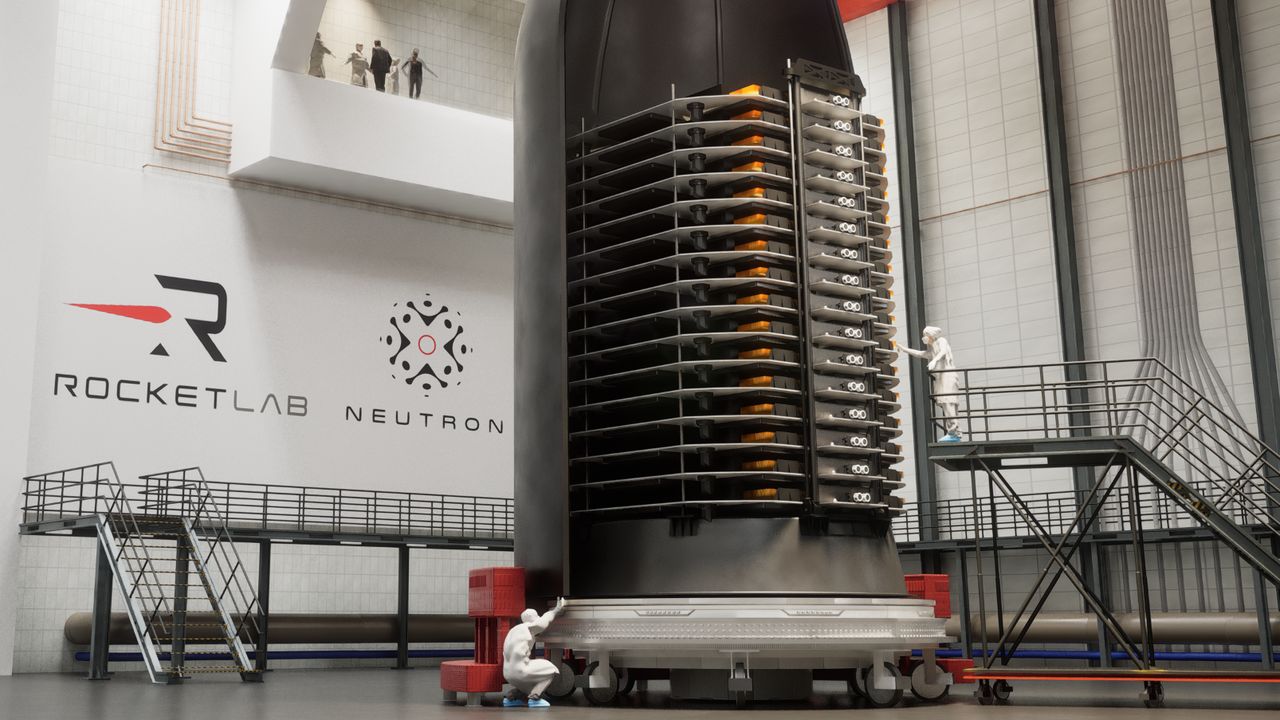
The U.S. Space Force has awarded Rocket Lab $397 million to manufacture a new fleet of "Flatellites" designed to detect and track airborne threats from space.
As humanity looks to the Moon and stars for future exploration, predicting space weather — conditions in space primarily driven by the Sun — is more important than ever. Now, a team of astrophysicist...
The human body is teeming with more than 35 trillion bacteria, coexisting in microbiomes inside the gut, mouth, lungs, skin and urogenital tract. While it's now clear these microbes are associated wit...
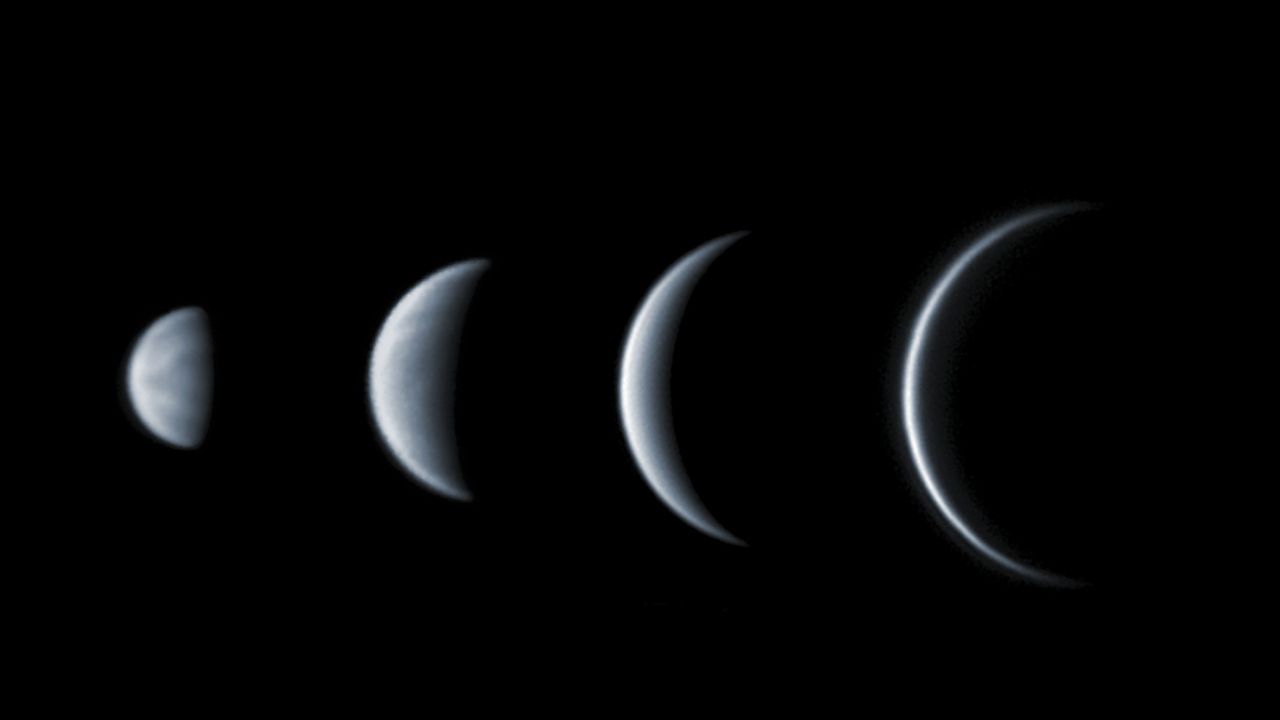
As Venus gets close to its greatest brilliancy in the evening sky, it’s a good time to test one of astronomy’s less believable claims.
Sugars, or glycans, play a crucial role in biology—from cell signaling and recognition to interactions with pathogens. Changes in glycosylation are also associated with diseases including cancer. But ...
A research team led by Director Kim V. Narry at the Center for RNA Research within the Institute for Basic Science (IBS) has discovered compact viral RNA elements that can make mRNA more stable and in...
According to a new study led by researchers from Brazil and Germany, the main system that transports heat from one end of the Atlantic Ocean to the other may undergo sudden changes in intensity driven...
A host that sheds an abundance of parasites might seem like an obvious disease-spreading threat. But new research suggests that shedding large volumes of parasites does not dictate transmission effici...
Madison researchers recognize a new species of baobab tree, Adansonia bozy, unique to Madagascar, according to a study published in the journal Taxon. Previously, members of A. bozy were classified wi...
A medieval monastery complex, long believed to be lost, has now been identified using ground-penetrating radar (GPR) in Roskilde, Denmark. The investigations have uncovered extensive and well-preserve...