One grain to rule them all: History of rice as a global food
Rice is the most popular food in the world, providing sustenance to more than 3.5 billion people each day.
Research, Space & Discovery
Rice is the most popular food in the world, providing sustenance to more than 3.5 billion people each day.
Scientists Warn Nanoparticles Are Increasingly Entering the Food Chain—But Human Health Risk Assessment Still Lags
Climate change is affecting the yields and flavour of the traditional Japanese tea matcha, but studying its seedlings' genetic tolerance for heat could future-proof the crop
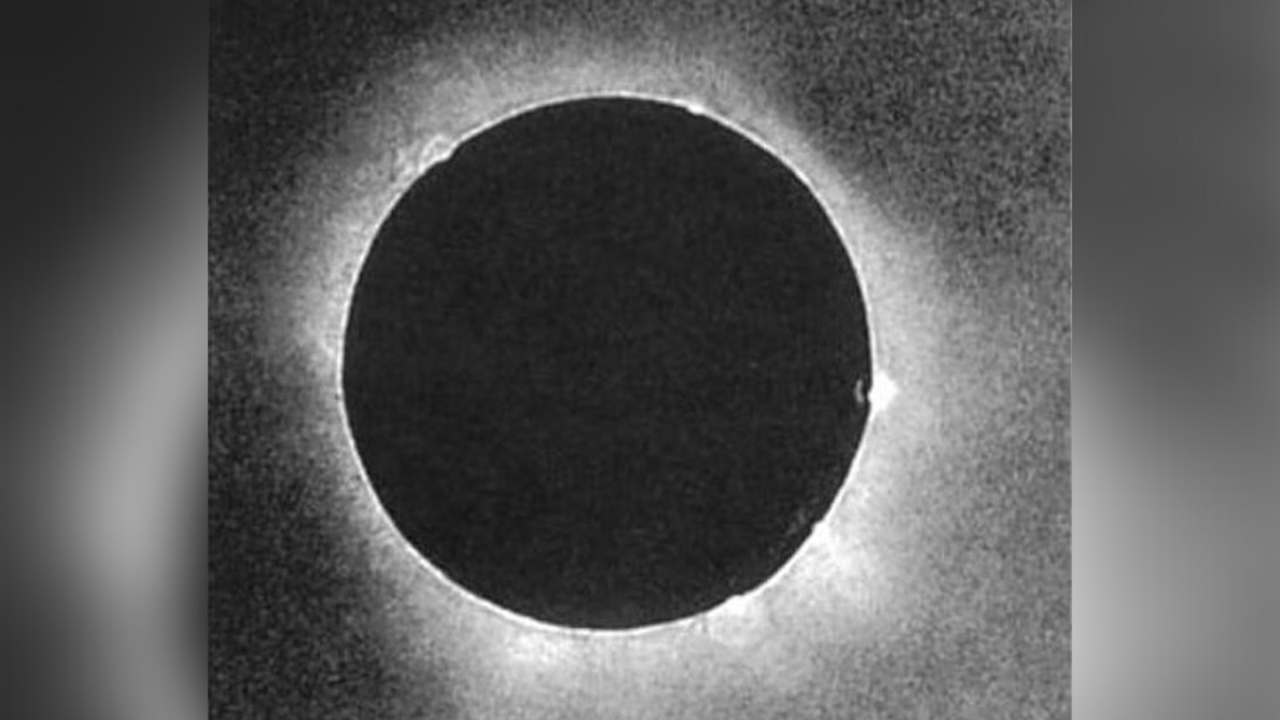
On July 28, 1851, the first-ever photo of a total solar eclipse was recorded by a Prussian daguerreotypist named Johann Julius Friedrich Berkowski. It changed solar astronomy.
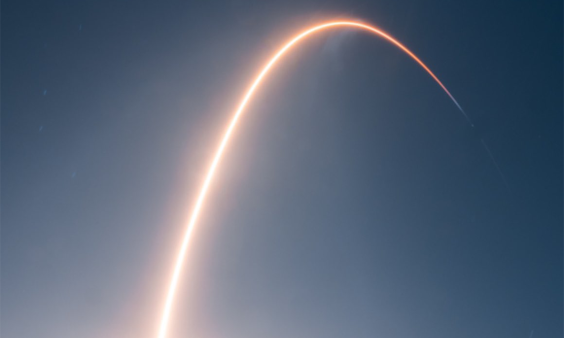
As the moon starts getting crowded, questions of safety and responsibility are becoming hard to ignoreThe postAn Abandoned SpaceX Rocket Is About to Crash Into the Moon. The Real Problem Comes Nextapp...
Your brain may have brief windows when it is primed to transform a passing moment into a lasting memory. Researchers at the University of Tübingen found that natural shifts in alertness can briefly ch...
By analyzing data from NASA's Transiting Exoplanet Survey Satellite (TESS) and conducting new radial velocity measurements, U.K. and French astronomers have found evidence that the mysterious Tabby's ...
What is a Lipid-Based Biomimetic Exosome-Based Nanosystem?
After the Chicxulub impact 66 million years ago, trillions of tonnes of rock vapour was launched into space before falling back to Earth at ballistic speeds, creating a global blast of heat strong eno...
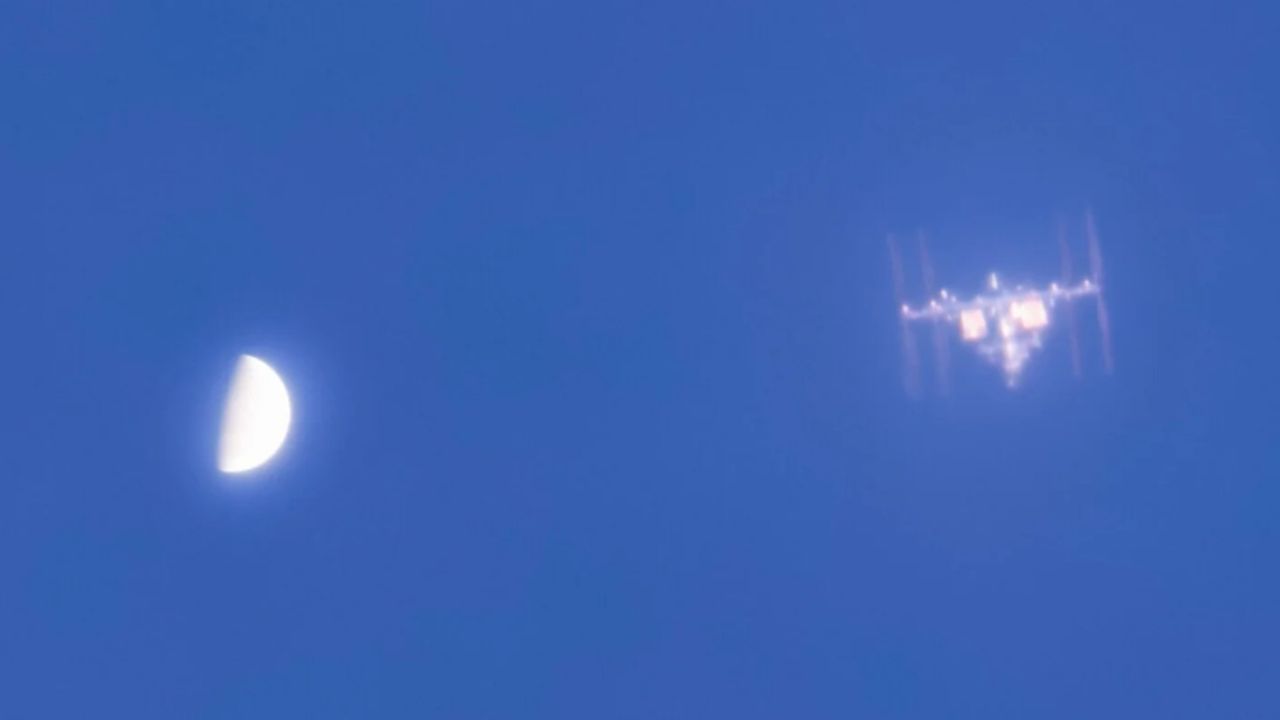
An astrophotographer captured a breathtaking scene as the International Space Station zoomed by Venus in the daytime sky.
New research from the University of Sussex has revealed the biological limits to human compassion and empathy. The study found a stark contrast between how the brain processes information about risk t...
Did the Metropolitan Police Investigate the Complaint—Or a Different One? New Forensic Report Reopens Questions About a Closed COVID-19 Crime File
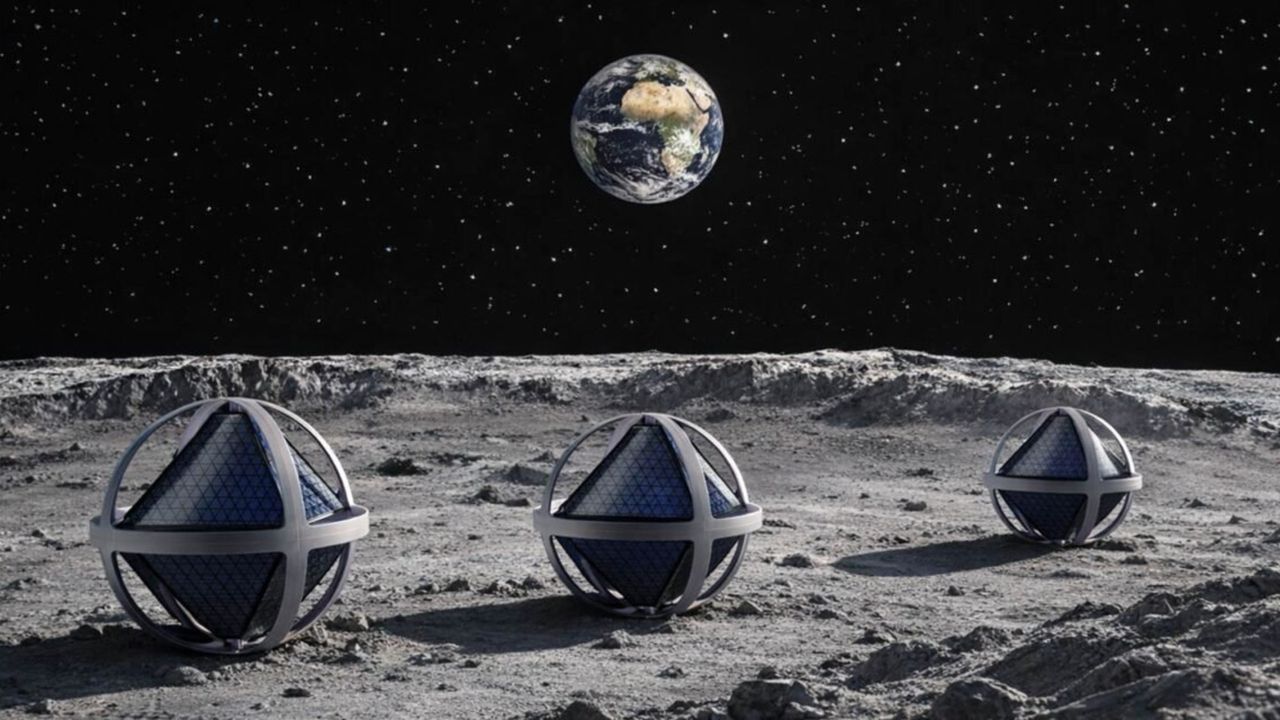
Africa's first space exploration mission aims to send a trio of spherical probes to the lunar south pole aboard China's Chang'e 8 lander in 2029.
Every human cell has millions of ribosomes that make proteins. For decades, biologists thought of ribosomes as tiny, uniform machines. But now a Stanford Medicine team is showing that ribosomes are mu...
Long before a human ever sets foot on the Red Planet, we already know how harsh the environment is. Once a human finally does, the only things protecting them from that environment will be the infrast...
The arms race between bacteria and antibiotics is nothing new—antimicrobial resistance has been an emerging issue in human and animal health for a long time. But in a new review published in JAC-Antim...
Cancer cells survive by hiding from the immune system's surveillance. A KAIST research team has developed a new anticancer platform that makes cancer cells send out their own danger signals—prompting ...
Sixty-six million years ago, the six-mile-wide (10-kilometer-wide) Chicxulub asteroid crash-landed in Mexico's Yucatán Peninsula and changed life on Earth forever. The reign of the dinosaurs ended, an...
Around the world, hundreds of thousands of people engage in conventional protests—and sometimes more radical forms of action—in the face of environmental change, harms to animals and nature, and clima...
More than 20 years after NASA's Spirit rover landed on Mars, a researcher from Edith Cowan University (ECU) has uncovered new evidence that suggests water may once have covered large parts of the red ...