James Webb Space Telescope looks back in time 4.4 billion years | Space photo of the day for July 21, 2026
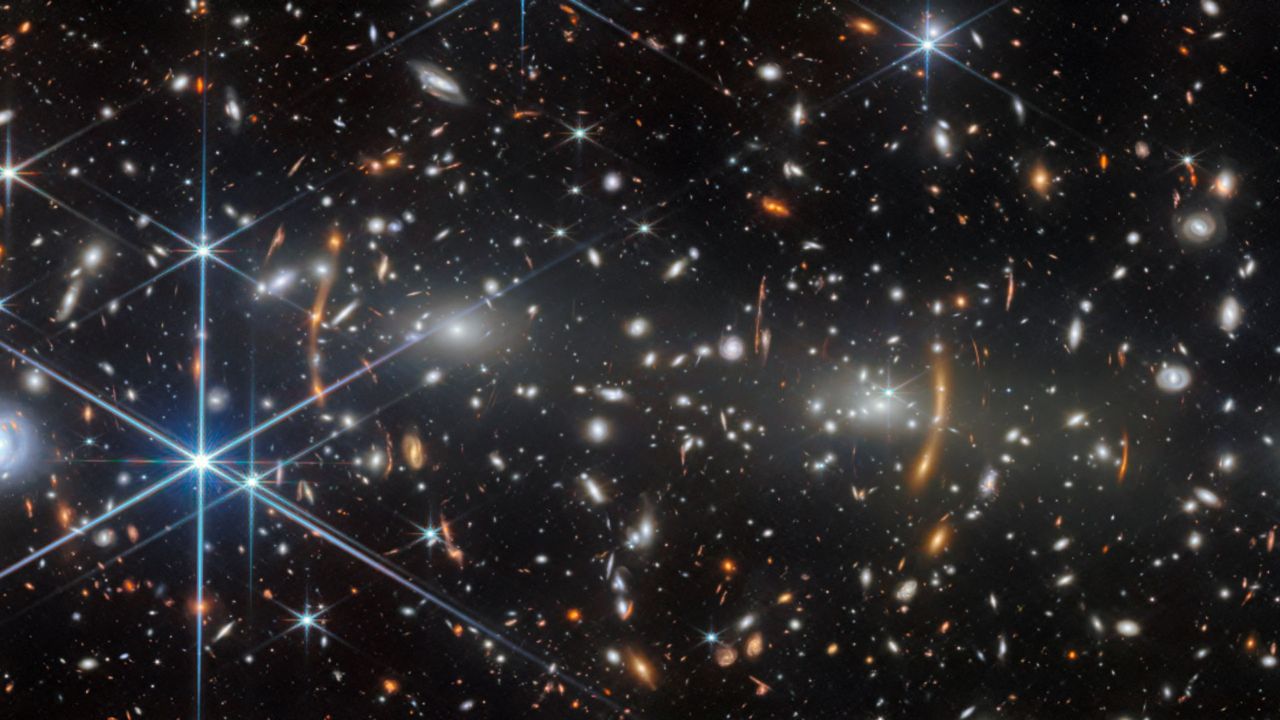
The James Webb Space Telescope captured this image of a young galaxy cluster, MACS J0553.4-3342.
Research, Space & Discovery
The James Webb Space Telescope captured this image of a young galaxy cluster, MACS J0553.4-3342.
Earth remains full of undiscovered species and unexplored interactions that continue to fascinate us, including, in the most ordinary places, the fields where our food is grown.
Watching television very often in midlife may be linked to troubling brain changes decades later. In a study of about 1,700 adults, frequent TV viewers later showed smaller brain regions involved in m...
Study Suggests Obesity May Cause More Than 10% of Cancers
A team of NASA-sponsored scientists and engineers has developed a novel approach to observing high-energy particles in the near-Earth space environment, incorporating miniaturized sensors into a compa...
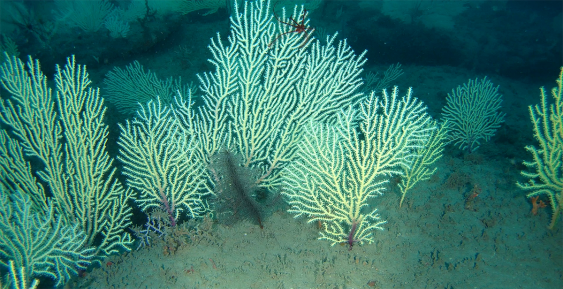
Scientists in the 1960s thought the ecosystem was lifelessThe postA “Dead” Coral Reef Found Thriving Off the Coast of Africaappeared first onNautilus.
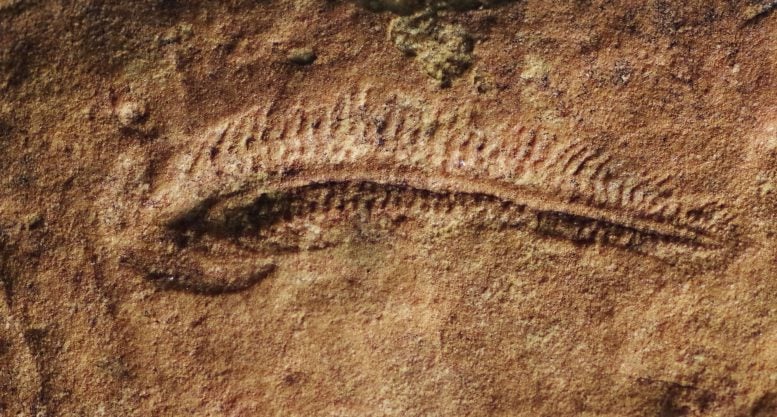
New research suggests that the ancient animal Spriggina floundersi tended to bend to the right, making it the oldest known example of lateralized behavior. More than 550 million years ago, a small, fl...
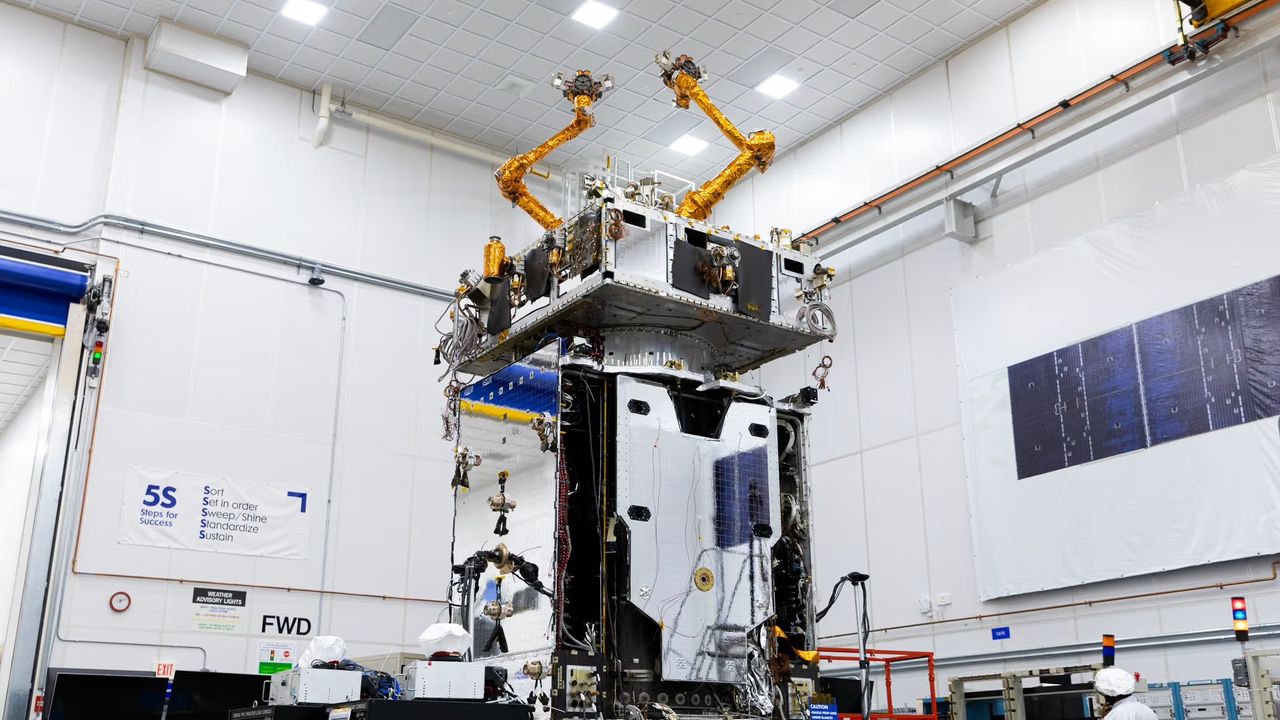
SpaceX will launch a trailblazing satellite-servicing mission today (July 21), and you can watch the action live.
Although general relativity (GR) is an elegant theory of gravity, we don't often need to use it. For most gravitational interactions, Newton's theory of universal gravitation works just fine. Newton's...
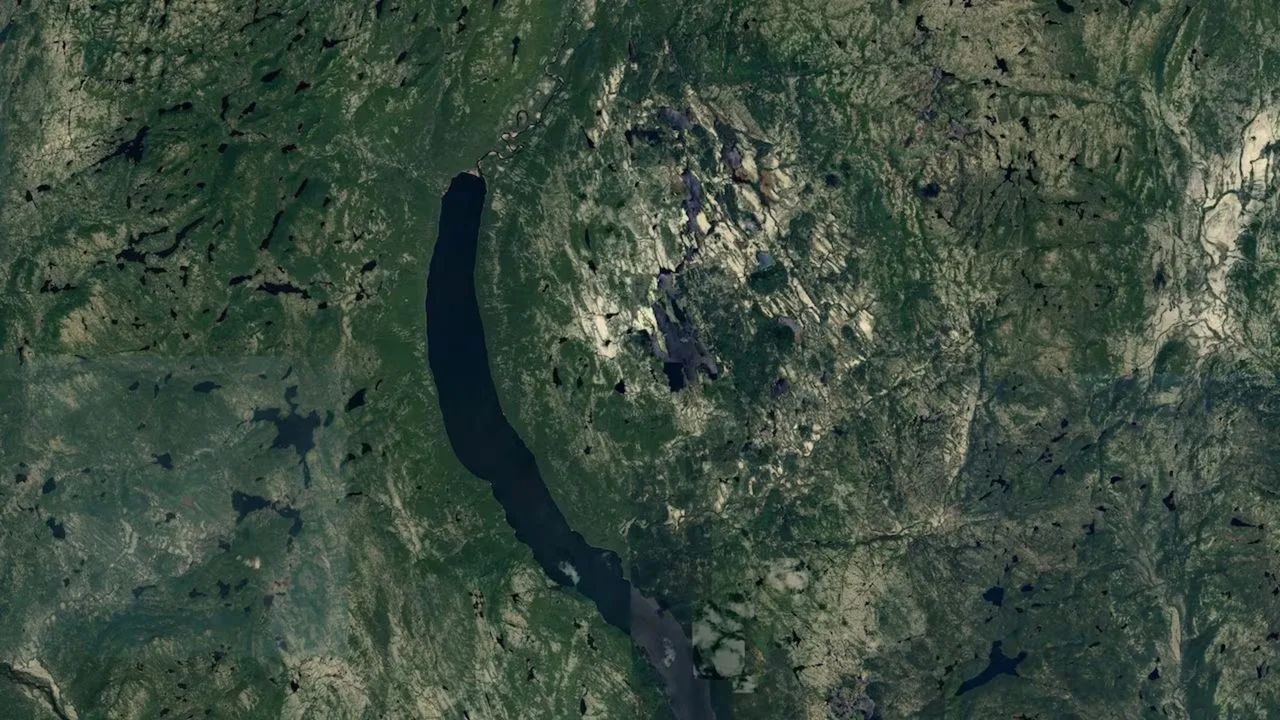
Ancient sediment reveals that some of K’gari’s deepest lakes vanished around 7,500 years ago, despite unusually heavy rainfall. The surprising discovery suggests changing winds and future climate shif...
While getting ready for a camping trip, an amateur astronomer spotted a possible crater. It appears to be a match, pending microscopic results.
Imagine a future where everyone has enough, on a planet that stays livable. A new report makes the case that it's within reach.
China’s Chang’e-6 samples have uncovered a surprising difference between the Moon’s two hemispheres. Solar wind particles penetrated deeper into the far-side soil because Earth’s magnetosphere slows t...
The end-Triassic mass extinction, 201 million years ago, is linked to volcanism that resulted from the break-up of Pangea and which pumped out vast amounts of CO2 into the atmosphere, causing extreme ...
HateLab, led by Professor Matthew Williams of Cardiff University, has shown that spikes in online hate speech can be followed by increases in hate crime offline.
Solar storms may affect weather on Mars when they strike at the same time as major Martian dust storms, a new study suggests for the first time. Researchers found evidence of rising temperatures in th...
Last fall, students filed into Vilas Hall for the first session of Online Communication and Personal Relationships, a class with the potential to improve their friendships and family relationships. Th...
Academic achievement in high school has long been viewed as one of the strongest predictors of college success. But a new study from Penn State researchers suggests that students' emotional resources—...
Artificial intelligence (AI) models are now used daily by many people worldwide, both for professional and personal purposes. Over the past decades, scientists specialized in various disciplines have ...
New research from Monash University revealed that microscopic life is actively breaking down decades-old mining waste in South Australia, turning stable radioactive and toxic metals into mobile nanopa...